GAM Esports vs CTBC Flying Oyster Game 2 Draft Analysis: Caitlyn Pressure vs Ryze Scaling
GAM Esports and CTBC Flying Oyster clash in Game 2 with Caitlyn-Bard pressure facing a resilient Ryze, Skarner and Milio scaling core.
 Gam Esports

 TOP
TOP

 JGL
JGL
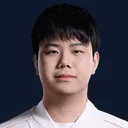


 MID
MID
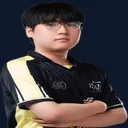


 BOT
BOT
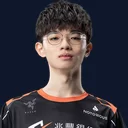
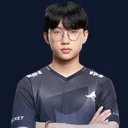

 SUP
SUP

Compositions
GAM Esports drafted a high-control composition built around Caitlyn’s lane priority, Bard’s roaming threat, and Anivia’s ability to lock opponents inside difficult choke points. Artemis and Taki should have immediate pressure into Lucian-Milio: Caitlyn can establish push with range, while Bard can punish overextensions with Cosmic Binding and set up jungle access for Draktharr’s Wukong.
The rest of GAM’s composition wants fights to become messy and constrained. Anivia’s wall and ultimate create terrain that makes Wukong’s engage far more reliable, while Kiaya’s Ambessa can dive through the first layer of CTBC Flying Oyster’s defense. GAM are not simply a pure poke team; they want to establish vision, force CFO to approach through narrow spaces, then chain crowd control onto a trapped carry.
CTBC Flying Oyster have a more classic front-to-back structure. Rest’s Gnar and Shad0w’s Skarner provide durable initiation, POUT’s Ryze supplies scaling damage and side-lane pressure, and Kino’s Milio gives Doggo’s Lucian the range and protection needed to play extended fights. Their composition is most comfortable when Skarner or Gnar starts an engage and Milio can reset the fight with cleansing and shielding tools.
Key Picks
The defining GAM pick is Anivia. Gloryy has a powerful answer to CFO’s engage routes because Anivia can punish Skarner’s approach, split a retreat with Crystallize, and make Ryze’s short-range damage window extremely awkward. If GAM control river entrances, Anivia can turn every objective setup into a positional test that CFO must solve perfectly.
Bard is equally important. Taki’s roam timing will decide whether GAM convert Caitlyn’s early lane control into a meaningful map lead. Bard can help Wukong invade, threaten POUT before Ryze reaches his most comfortable item thresholds, and create unexpected flanks against Lucian-Milio. However, Bard cannot afford careless portals against Skarner’s pick potential.
For CFO, Milio is the draft stabilizer. Kino can deny the clean crowd-control chains GAM need, especially if Wukong and Bard commit aggressively. Milio also lets Doggo contest Caitlyn’s range advantage later, provided CFO avoid giving Artemis early plates and turret control.
Draft Edge
GAM own the sharper early-game win condition. Caitlyn-Bard should claim lane priority, and that pressure can give Draktharr more freedom to contest Skarner around early river vision. Ambessa also offers a strong dive partner for Wukong once GAM identify an isolated target.
Still, CFO’s draft is more forgiving after the opening phase. Ryze and Lucian both become threatening if they receive space, while Skarner and Gnar give CFO multiple engage angles against an immobile Caitlyn and Anivia. GAM need their setup to be disciplined; if they fight in open ground without Anivia controlling terrain, CFO’s engage tools become much easier to execute.
The critical draft question is whether GAM can force CFO to respond before Ryze scaling takes over. GAM have superior zone control around objectives, but CFO have stronger tools to punish a single positioning error.
Prediction
GAM Esports have the draft edge, but it is narrow and execution-dependent. Their Caitlyn-Bard lane and Anivia-Wukong objective setup give them clearer ways to seize control early and choke CFO out of river fights.
CTBC Flying Oyster can win if Shad0w finds decisive Skarner picks or if POUT reaches late-game Ryze scaling without conceding too much map pressure. Expect GAM to dictate the first major objectives, with CFO becoming increasingly dangerous if the game remains even.